Table of Contents
ToggleIf you’ve ever wondered why millions of people stay awake all night chanting “Om Namah Shivaya”, fasting, and visiting temples in the quiet hours before dawn, the answer lies in Maha Shivaratri, one of the most sacred festivals in Hindu spirituality.
What Is Maha Shivaratri?
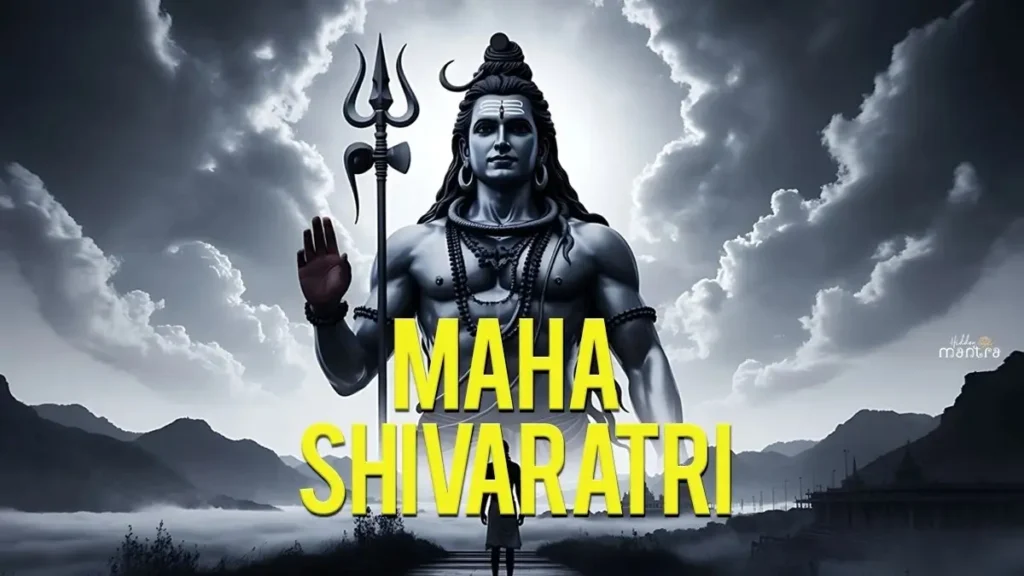
Maha Shivaratri, often called “The Great Night of Shiva,” is devoted to Lord Shiva, symbolizing transformation, awareness, and the removal of inner darkness. Unlike most Hindu festivals that are joyful and outwardly celebratory, Shivaratri is deeply inward-focused – a night meant for silence, reflection, devotion, and awakening.
It is observed on the 14th night of the dark lunar phase (Krishna Chaturdashi) in the Hindu month of Phalguna, usually falling between February and March. In Maha Shivaratri 2026, devotees across the world will come together for this powerful night of spiritual alignment.
At its core, Shivaratri symbolizes inner transformation – moving from darkness to light, from restlessness to stillness.
Historical & Mythological Origins
Maha Shivaratri is rich with ancient stories that explain why this night holds such immense spiritual power. These legends aren’t just myths – they carry deep symbolic wisdom.
The Divine Union: Shiva & Parvati
There are many beliefs behind this, one of the major ones is that Maha Shivaratri signifies the holy marriage between Lord Shiva and Goddess Parvati, meaning unity between two opposing yet complementary parts of our reality – Shiva (awareness) and Shakti (energy) – as all that we create and hold in this universe.
Spiritually, this story reminds us that true harmony comes when awareness and action move together.
The Lingodbhava Legend
An another legendi is about lord shiva once appeared as an endless pillar of light, known as the Lingodbhava. Neither Brahma nor Vishnu could find its beginning or end, which symbolizes the infinite, formless nature of reality.
This is why devotees worship Shiva in the form of the Shiva Lingam -not as a statue, but as a symbol of boundless existence.
Samudra Manthana & Shiva’s Compassion
During the churning of the cosmic ocean (Samudra Manthana), a deadly poison called halahala emerged, threatening to destroy all life. Shiva selflessly consumed the poison to save the universe, holding it in his throat, which turned blue, earning him the name Neelakantha.
This act reflects Shiva’s role as the ultimate protector — absorbing negativity so creation may survive.
The Cosmic Dance — Tandava
Maha Shivaratri is also associated with Shiva’s Tandava, the cosmic dance that governs creation, preservation, and destruction. This dance represents the rhythm of life itself — reminding us that endings are not to be feared, but embraced as part of transformation.
Spiritual Significance of Maha Shivaratri
“When the mind finds stillness, the presence of Shiva naturally reveals itself.”
(Many people also like to share meaningful words and blessings on this night. If you’re looking for thoughtful messages to share with loved ones, you can explore a curated collection of Maha Shivaratri quotes and wishes here.)
Even today, Shivaratri holds deep relevance beyond mythology; here are some of the significances, which is why millions of people still hold on to these.
Overcoming Ignorance & Darkness
The night of Shivarathri, it symbolizes conquering inner darkness, which includes human emotions like ego, fear, ignorance, and emotional chaos. So by staying throughout the night, we are its more like staying conscious and awake.
A Path Toward Moksha
When we fast, chant, and meditate on shivarathri it is believed that we get purified and are led to moksha (liberation). Many spiritual traditions consider this night especially powerful for spiritual progress.
Ideal Time for Introspection
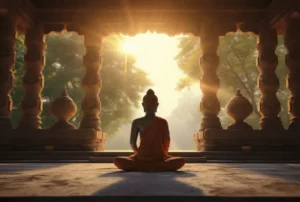
Yogic traditions believe planetary alignments on this night naturally support meditation. By doing yoga and all, even beginners often experience greater calm, clarity, and inner stillness during Shivaratri.
When & How It’s Observed
If you are fresh to this, and doesnt know how to follow and observe this, here’s the details:
Date & Timing
Maha Shivaratri follows the lunar calendar, which is why its date changes each year. The most important period is during the four prahars (quarters) of the night, with devotees performing prayers throughout.
Preparations Before the Night
People prepare by:
- Cleaning their homes and minds
- Bathing before sunset
- Creating a sacred space with a Shiva Lingam or image
- Visiting temples or planning night-long worship
Rituals & Practices
People observe Shivaratri in different ways based on their beliefs and capacity, but at its heart, the focus remains on sincerity and inner discipline. Here is where Shivaratri becomes deeply personal.
Fasting (Vrat)
Devotees observe:
- Nirjala Vrat – no food or water
- Phalahar Vrat – fruits, milk, and light foods
Fasting is meant to discipline the body and quiet the mind.
Night Vigil (Jagaran)
Staying awake all night is central to Shivaratri. Time is spent in:
- Chanting “Om Namah Shivaya”
- Meditation
- Reading Shiva Purana
- Bhajans and kirtans
Shiva Linga Abhishekam
Devotees bathe the Shiva Lingam with:
- Water
- Milk
- Honey
- Yogurt
- Ghee
- Bilva leaves
Each offering symbolizes purification and surrender.
Chanting & Mantras
The essential part of Shivaratri worship is the Panchakshara Mantra, i.e., “Om Namah Shivaya.” Recital of the mantra is believed to calm the mind and create spiritual awareness.
Beliefs & Benefits
Now we have read about when, where, and how people observe Maha Shivaratri, but at the other end, did you know why people observe this?
People observe Maha Shivaratri seeking:
- Marital harmony and emotional balance
- Inner peace and clarity
- Release from past karmic patterns
- Heightened spiritual awareness
Many describe the night as emotionally cleansing and deeply grounding.
How Maha Shivaratri Is Celebrated Across Regions
Maha Shivaratri is observed in many parts of the world, with each region expressing devotion through its own traditions and cultural practices.
India
- Kashi Vishwanath (Varanasi): One of the holiest Shiva temples
- Mandi (Himachal Pradesh): Famous Shivaratri fair
- South India: Elaborate temple rituals and all-night chanting. A widely followed celebration also happens at the Isha Yoga Center in Tamil Nadu, where people observe Shivaratri through meditation, devotional music, and conscious night-long awareness.
Nepal
At Pashupatinath Temple, thousands of devotees and sadhus gather, creating one of the world’s most powerful Shivaratri celebrations.
Global Celebrations
Hindu communities in Mauritius, Malaysia, Singapore, the USA, Canada, and Australia observe Shivaratri with temple gatherings, meditation events, and online satsangs.
Conclusion
Maha Shivaratri is about more than celebrating a holiday. It is an opportunity for people to slow down, think about their lives, and reconnect with what matters most.
On this day, many people participate in different activities- like fasting, chanting, meditating, or just spending quiet time, also called “zane” (the time during which people take and do not take any action).
These activities help create a space for healing and create clarity and a greater degree of personal growth for the individual.
“May this Maha Shivaratri remove darkness from your life and fill it with clarity, peace, and inner strength.”
For those interested in sacred chants, spiritual practices, and ancient wisdom connected to Shiva Hiddenmantra offers resources rooted in timeless tradition.
FAQS
Is Maha Shivaratri only for Shaivites?
No, Shivaratri is open to all who desire peace within themselves or wish for growth in their spirituality or seek to find similar answers (the purpose of their life), who have a desire to grow spiritually, regardless of their belief system or sect.
What is Shivaratri celebrated for?
it Is Celebrated in Honor Of Lord Shiva, Is Intended to Celebrate An Awakening of Consciousness and Overcoming Ignorance Through Awareness.
Why is Shivaratri so powerful?
Because It Is The Combination Of Planetary Energies, The Symbolism of The Energy, As Well As The Actions Taken by People on Earth to Quiet Their Minds and Raise Their Consciousness.