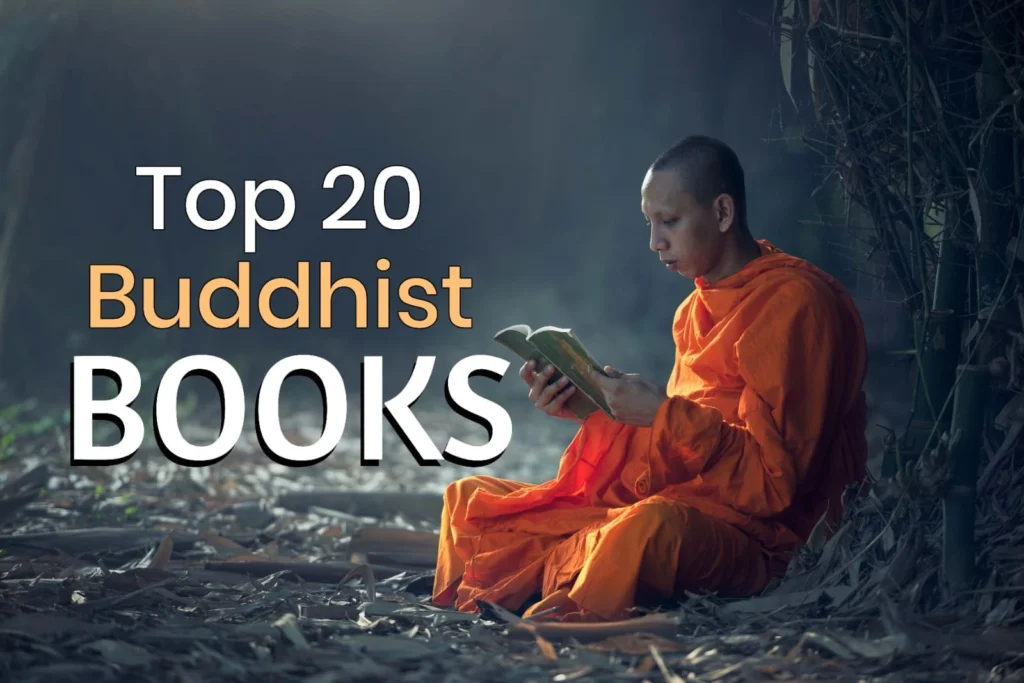
Buddhism has guided millions of people toward inner peace, clarity, and a deeper understanding of life for over 2,500 years. At the heart of this ancient tradition lies a rich body of literature — from the original words of the Buddha preserved in sacred scriptures to modern interpretations by beloved teachers like Thich Nhat Hanh and the Dalai Lama. Whether you are completely new to Buddhist philosophy or looking to deepen an existing practice, the right book can genuinely transform the way you see yourself and the world around you.
The 20 Buddhist books listed here have been read by millions of people across the globe — not as religious texts to be memorized, but as living guides to navigating suffering, cultivating mindfulness, and finding lasting peace. Each book has been chosen for its accessibility, depth, and real-world impact on readers’ lives. From foundational classics like The Dhammapada to contemporary masterworks like Radical Acceptance, this list covers every stage of the spiritual journey — from the very first question to the deepest levels of practice.
Whether you are searching for a way to quiet a restless mind, understand the nature of suffering, or simply live with more compassion and awareness, there is a book on this list for you.
Best Buddhist Books to Read for Peace, Wisdom and Spiritual Growth
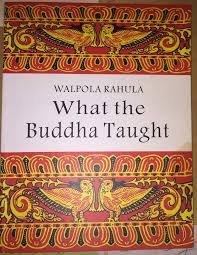
1. What The Buddha Taught – Walpola Rahula
This book gives most penetrative access into the very fundamental core teachings like Four Noble Truths, Eightfold Path, and meditation. Although Mahayana stands for Kinds of Buddhist philosophy, it can make clear for a reader whatever interest he may have in Buddhism.
Best for: Complete beginners | Difficulty: Easy
Click here to Buy the book for best deal from Amazon
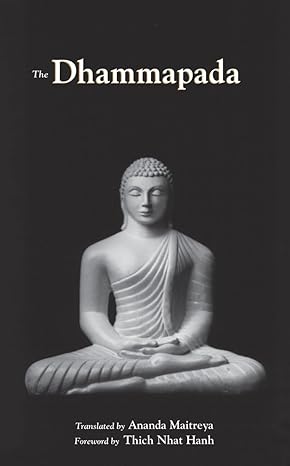
2. The Dhammapada
It is 423 verses seizing the spirit of Buddha’s teachings. It will give them practical hints through which they would be able to manage their lives peacefully living through mindfulness, virtue and wisdom, thus being a guide always relevant for any seeker in search of just the spiritual truth.
Best for: All levels | Difficulty: Easy
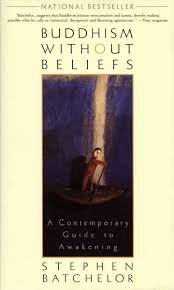
3. Buddhism Without Beliefs – Stephen Batchelor.
It freed Buddhism from all religious ties, defining it as an excellent way of living mindfully and ethically. For the contemporary reader who prays for more realistic ways of relating to self-awareness and compassion, this book perfectly fits.
Best for: Secular readers, skeptics | Difficulty: Easy–Medium
4. The Heart of the Buddha’s Teaching – Thich Nhat Hanh
Then, this discusses such matters as suffering, what it means to be impermanent, and what it means to be compassionate. Its yield connects with the real issues of everyday living as well as those with which to transform one’s thoughts and actions through mindfulness.
Best for: Intermediate readers | Difficulty: Medium

5. The Tibetan Book of the Dead
This is an ancient guide in living through the death process-the intermediate state and thereafter, rebirth stages. It is a spiritual tool to assist one in navigating through the life-east, also, with reference to the beyond, on the nature of impermanence and the karmic cycles.
Best for: Intermediate–Advanced readers | Difficulty: Hard

6. Zen Mind, Beginner’s Mind – Shunryu Suzuki
An excellent book about coming to life in an open manner, with curiosity and wonder-the way a beginner approaches life. It describes how to do Zen meditation and mindfulness, along with simple living in the present.
Best for: Beginners to Zen | Difficulty: Easy

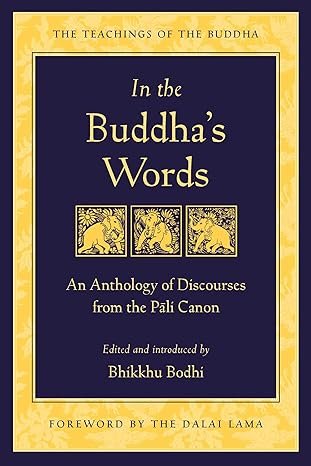
7. In the Buddha’s Words – edited by Bhikkhu Bodhi
This is a very carefully edited collection. In the Buddha’s Words- Edited by Bhikkhu Bodhi This is easily the best selection compiled for the Buddha’s doctrine as the teachings are categorized into the essential themes of ethics, meditation, and wisdom. Very useful to understand the foundations of Buddhism.
Best for: Serious students of Buddhism | Difficulty: Medium–Hard
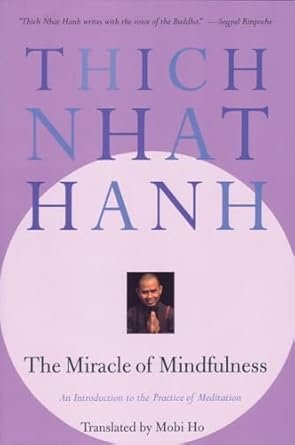
8. The Miracle of Mindfulness – Thich Nhat Hanh
Originally written as a long letter to a fellow monk, this short and beautifully written guide teaches the practice of mindfulness through ordinary daily activities — washing dishes, drinking tea, walking, and breathing. Thich Nhat Hanh’s approach is gentle, immediate, and profoundly practical. He shows that mindfulness is not a technique reserved for the meditation cushion but a quality of attention that can transform every moment of life. For readers overwhelmed by long doctrinal texts, this book offers a simple, direct entry into Buddhist practice. It remains one of the bestselling mindfulness books ever published.
Best for: Beginners, busy people | Difficulty: Easy
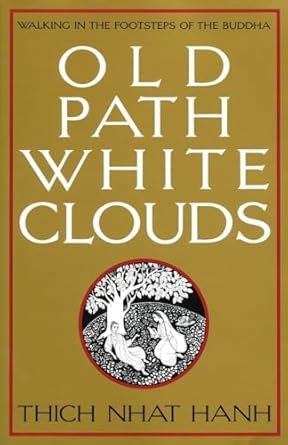
9. Old Path White Clouds – Thich Nhat Hanh
Tightly a biography of the Buddha’s life, incorporating facts from history but infused with spiritual teachings: the journey which Buddha undertook; what he learned how these aspects can unfold important meanings for readers today.
Best for: Those new to Buddhist history | Difficulty: Easy
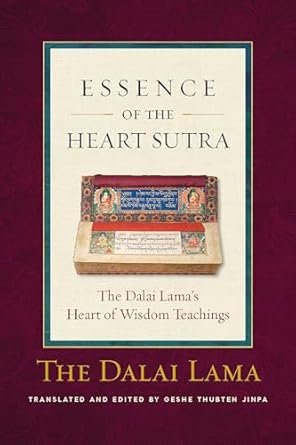
10. The Essence of the Heart Sutra – Dalai Lama
In this book, the Dalai Lama takes apart the most profound wisdom of the Heart Sutra. It speaks of emptiness and interdependence, and it is a good read for those looking to get into Mahayana Buddhist philosophy.
Best for: Mahayana / philosophy readers | Difficulty: Medium–Hard
11.Why Buddhism is True – Robert Wright
Robert Wright, a journalist and meditation practitioner, makes a compelling case that modern evolutionary psychology and neuroscience actually validate many of the Buddha’s core insights about the human mind. He explores why our brains generate suffering, why we crave things that don’t satisfy us, and how mindfulness meditation can interrupt these patterns. Written in engaging, accessible prose with no prior knowledge of Buddhism required, this book is particularly well-suited for scientifically minded readers who might otherwise dismiss Buddhist teachings as religious superstition. It is one of the best bridges between ancient wisdom and modern science available.
Best for: Skeptics, science-minded readers | Difficulty: Easy
12.Being Nobody, Going Nowhere – Ayya Khema
Written by one of the first Western women to be ordained as a Buddhist nun, this book offers a clear and practical guide to Buddhist meditation and the path to liberation. Ayya Khema draws on her own extensive practice and teaching experience to explain the Theravada path in language that is both precise and deeply human. She covers meditation technique, the hindrances to practice, and the development of loving-kindness with unusual clarity. Her no-nonsense, direct style cuts through spiritual romanticism and gets straight to what meditation actually involves. A hidden gem in Buddhist literature.
Best for: Meditation practitioners | Difficulty: Medium
13.Awakening the Buddha Within – Lama Surya Das
American-born Lama Surya Das spent decades studying with Tibetan Buddhist masters and here synthesizes those teachings into an accessible eight-step program rooted in the Noble Eightfold Path. He bridges Eastern tradition and Western psychology effectively, making complex teachings feel personally relevant. The book covers ethics, meditation, wisdom, and compassionate action, always grounding abstract teachings in real-life situations. One of the most comprehensive single-volume introductions to Buddhist practice written for a Western audience, it has been widely praised for its warmth, humor, and depth. A valuable companion for anyone beginning a serious Buddhist practice.
Best for: Western beginners | Difficulty: Easy–Medium
14.The Way of the Bodhisattva – Shantideva
Composed in 8th-century India by the Buddhist monk Shantideva, this is one of the most important texts in the entire Mahayana tradition. It describes the path of the bodhisattva — a being who dedicates their life to the liberation of all sentient beings — and covers topics including generosity, ethics, patience, meditation, and wisdom. The chapter on patience alone has transformed countless lives. The translation by the Padmakara Translation Group is highly regarded for its poetic quality. While the language is classical, the teachings feel urgent and alive. The Dalai Lama has called it one of his most treasured texts.
Best for: Mahayana practitioners, intermediate readers | Difficulty: Medium–Hard
15.Buddhism: Plain and Simple – Steve Hagen
Steve Hagen strips Buddhism down to its most essential message: pay attention. This short, direct book argues that Buddhism is not a religion, a philosophy, or a self-help system, but simply a practice of seeing clearly. Hagen avoids jargon, rituals, and doctrine almost entirely, focusing instead on awareness and the nature of human perception. It is one of the most readable introductions to Buddhism available and works particularly well for readers who have bounced off more complex treatments of the subject. Many readers describe finishing it and immediately starting it again.
Best for: Absolute beginners | Difficulty: Very Easy
16.Mindfulness in Plain English – Bhante Gunaratana
Originally distributed for free as a manual for meditators, this book by Sri Lankan monk Bhante Gunaratana has become one of the most widely read guides to Vipassana (insight) meditation in the world. It covers everything from how to set up a meditation space and deal with distractions to deeper questions about consciousness and liberation. The writing is clear, practical, and free of mysticism. Gunaratana answers the questions that most beginners actually have — why the mind wanders, what to do with pain during sitting, how long to meditate — with patience and precision. Freely available online, but worth owning in print.
Best for: Meditation beginners | Difficulty: Easy
Best zen buddhist books
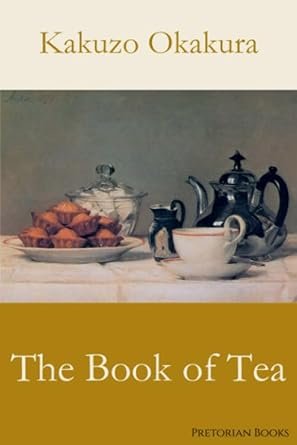
The Book of Tea – Kakuzo Okakura
Simple rituals laid bare the mind and harmony in living, through the touchpoints between Japanese tea ceremonies and Zen ethics, sparse as they stand between the two.
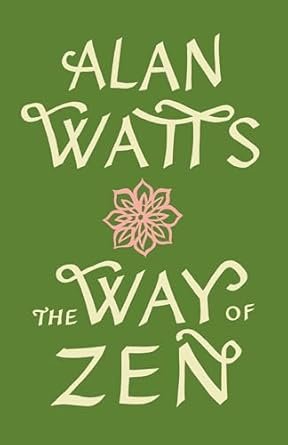
The Way of Zen – Alan Watts.
An informative and thoroughly interesting introduction into Zen Buddhism and its history, along with a straightforward guide to Zen practice itself-such as meditation.
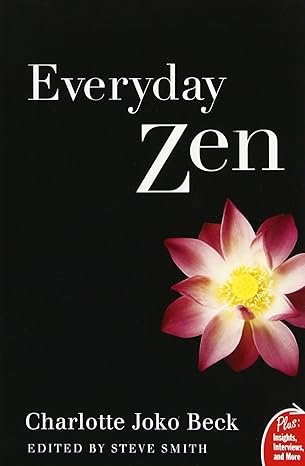
Everyday Zen -Charlotte Joko Beck.
This is a book about incorporating Zen principles into the everyday-where indeed practice may take readers most tempted to wrestle toward real mindfulness and peace.
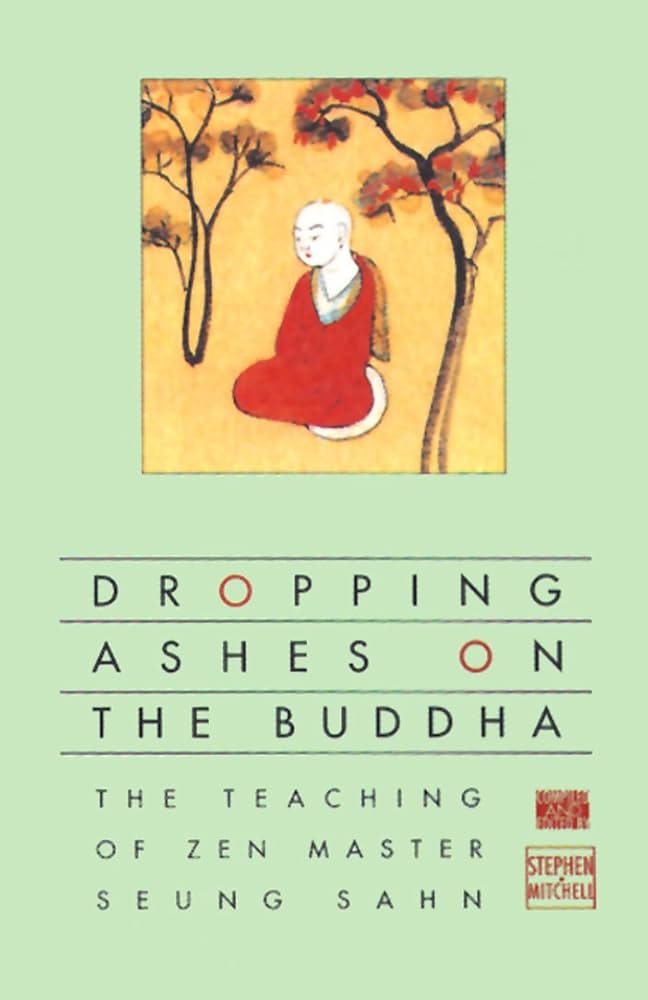
Dropping Ashes on the Buddha
A collection of letters, stories, and expositions from an ancient Korean Zen master gives down-to-earth, practical tremendous teachings about Zen understanding into daily life.
Conclusion
Build a better life by following Buddha’s teachings and Buddhist wisdom. Discover hidden mantras, inspiring Buddha quotes, and the power of meditation. Find peace and clarity with timeless insights that guide you toward a calmer, more mindful life.
You may also explore spiritual books that offer deeper reflection and inner guidance for seekers.
FAQ
Can a beginner understand Buddhist books?
Yes — many Buddhist books are written specifically for beginners with no prior knowledge required. The best entry-level books use simple language and focus on practical application rather than complex doctrine. “Buddhism: Plain and Simple” by Steve Hagen, “The Miracle of Mindfulness” by Thich Nhat Hanh, and “Mindfulness in Plain English” by Bhante Gunaratana are all written in clear, jargon-free prose that anyone can follow. It is advisable to begin with these contemporary introductions before moving on to classical texts like the Pali Canon or advanced Mahayana philosophy.
Which Buddhist book is best for meditation practice?
For practical meditation guidance, these three books stand out:
1.Mindfulness in Plain English – Bhante Gunaratana — The most comprehensive and practical guide to Vipassana (insight) meditation, covering technique, common obstacles, and the deeper stages of practice.
2.The Miracle of Mindfulness – Thich Nhat Hanh — A gentle, poetic guide to bringing mindful awareness into everyday activities, ideal for beginners.
3.Zen Mind, Beginner’s Mind – Shunryu Suzuki — The definitive introduction to Zen sitting meditation (zazen), emphasizing openness and non-attachment in practice.
What are the three holy books of Buddhism?
Buddhism does not have a single holy book the way Christianity has the Bible or Islam has the Quran. However, three texts are most widely regarded as foundational across different Buddhist traditions:
1.The Tripitaka (Pali Canon) — The oldest and most complete collection of the Buddha’s teachings, preserved in the Pali language. It is the scriptural authority for Theravada Buddhism and is divided into three “baskets”: the Vinaya (monastic rules), the Sutta Pitaka (discourses of the Buddha), and the Abhidhamma (philosophical analysis).
2.The Dhammapada — Drawn from the Sutta Pitaka, this collection of 423 verses is the most universally read Buddhist scripture across all traditions. It captures the essence of the Buddha’s ethical and spiritual teachings in poetic form.
3.The Prajnaparamita Sutras (including the Heart Sutra and Diamond Sutra) — The primary scriptures of Mahayana Buddhism, these texts introduce the concepts of emptiness (sunyata) and the bodhisattva ideal, which form the philosophical heart of Zen, Tibetan, and East Asian Buddhism.
What are the main books of Buddhism?
Buddhism has an enormous scriptural tradition spanning multiple languages and schools. The main books vary by tradition:
For Theravada Buddhism (Southeast Asia, Sri Lanka):
The Tripitaka / Pali Canon
The Dhammapada
The Visuddhimagga (Path of Purification) by Buddhaghosa
For Mahayana Buddhism (East Asia, Tibet):
The Heart Sutra
The Diamond Sutra
The Lotus Sutra
The Vimalakirti Sutra
For Tibetan Buddhism (Vajrayana):
The Tibetan Book of the Dead (Bardo Thodol)
The Way of the Bodhisattva by Shantideva
The Tibetan Book of Living and Dying by Sogyal Rinpoche
For modern readers and beginners:
What the Buddha Taught – Walpola Rahula
The Heart of the Buddha’s Teaching – Thich Nhat Hanh
Mindfulness in Plain English – Bhante Gunaratana